Chipata ‒ Zambia declared the 2023/24 Cholera outbreak in November 2023, with the epicenter being Lusaka. Countrywide, Zambia has reported over 22,000 cases. The outbreak started waning in the last couple of months, with most districts nationwide reporting zero cases for nore than 30 30 days.
However, on 30 May 2024, Eastern Province reported 4 culture-positive cases of Cholera. These cases were first reported in Chipata District among marketeers at a transient market called Saturday Market, which brings together people from different districts in the province. The outbreak quickly spread to five other districts: Chadiza, Lumezi, Kasenengwa, Chipangali, and Mambwe, with cases linked to the Saturday Market.
Cumulatively, between May 30 and 20 June 2024, the province reported over 90 cases, with zero deaths.
In response to this outbreak, the World Health Organization (WHO) has supported the Ministry of Health, providing technical and supervisory support by training community-based volunteers and other health cadres to establish an integrated community management initiative in response to the cholera outbreak in the province.

On 4 June, a quiet storm brewed within this serene setting, a storm named cholera. Here, Kasenengwa’s index case hails.

“I thought I had malaria and went on to take some medication for it. However, diarrhea set in, and within minutes, I began to vomit too,” narrates Raphael Zulu, the index case for cholera in Kasenengwa district.
By midmorning, Raphael was severely dehydrated and weak.

“The nearest health facility to us is very far. I was afraid we would not make it in time,” says Janet Zulu, Raphael’s wife. “When we got to the clinic, healthcare workers told us he had cholera, and he was admitted,” she added.
A threat only heard of in passing was now real and present: cholera was in Thambo village.

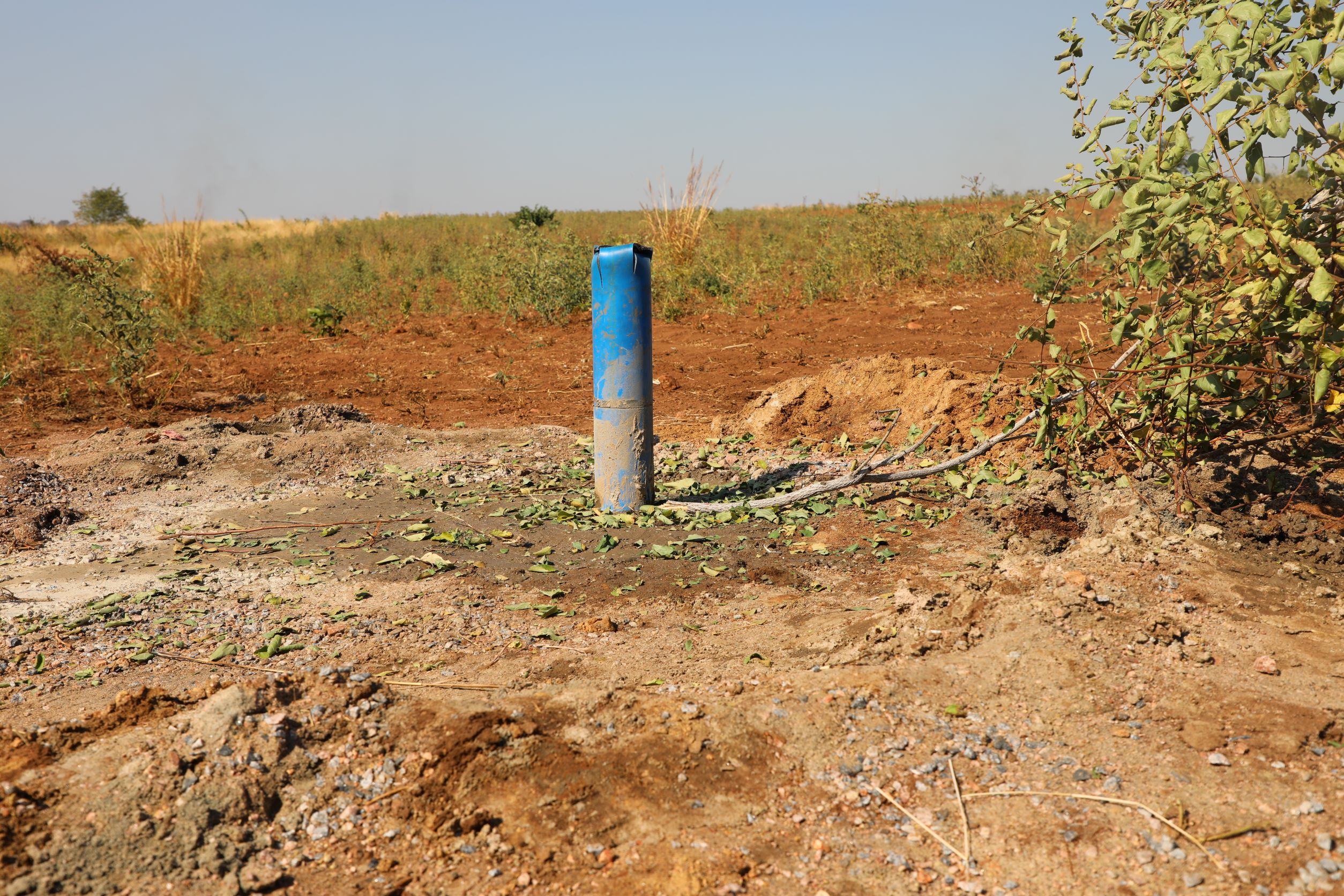
“Four of my other neighbours also got cholera. We all get our water from one borehole at the end of the village, approximately a kilometer away from my house,” Mr. Zulu said.

“Because of the distance to the borehole, we only fetch water twice a day. We must use the water prudently to avoid the women and young girls walking such a long distance now and then.” Mr. Zulu said.

Community members were educated about cholera, clean water, sanitation, and hygiene, and at least two bottles of chlorine were distributed per household.


“I am glad I am fine now. I have learned how to practice good hygiene and drink safe water. I want to thank the health workers for saving my life, the community, and everyone else for bringing water closer to us. Our lives have surely changed,” says Raphael Zulu, a Thambo cholera survivor.
Communications Officer
World Health Organization Country Office, Zambia
Email: kapemak [at] who.int (kapemak[at]who[dot]int)